How to Optimize Metadata for Your FL Studio Tracks
When it comes to producing music in FL Studio, the creative process doesn’t end after finalizing your mix and mastering. For artists and producers, ensuring your tracks are discoverable, professional, and properly cataloged is just as important as the sound itself. This is where metadata optimization comes into play. Metadata refers to the hidden information embedded into your audio files, such as artist name, song title, album name, genre, year, and even ISRC codes. Optimizing metadata can significantly boost your music’s visibility across streaming platforms, improve organization in your personal library, and help protect your work from misuse.
In today’s digital music industry, metadata is often the bridge between your track and its audience. Whether you are uploading music to Spotify, Apple Music, YouTube Music, or simply sharing WAV/MP3 files with collaborators, well-structured metadata ensures that your songs are properly recognized, credited, and monetized. If you are using FL Studio to craft your beats, mastering the art of metadata optimization will set you apart from hobbyists and elevate your professionalism as a producer.
This comprehensive guide will show you how to optimize metadata for your FL Studio tracks—covering everything from understanding metadata basics, to embedding metadata directly into your files, and even advanced strategies for SEO and distribution platforms.
What is Metadata in Music?
Metadata in audio files is the information that describes the track beyond the sound itself. Think of it as the digital ID card for your music. Common metadata fields include:
- Track Title – The official name of the song.
- Artist Name – The performer, producer, or band name.
- Album Name – If the track is part of a larger project or EP.
- Genre – Identifies the style of music (e.g., hip-hop, EDM, rock).
- Year – When the track was released.
- Track Number – If it belongs to an album sequence.
- ISRC Code – International Standard Recording Code for tracking royalties.
- Composer/Producer – Credits for songwriters and beatmakers.
- Cover Art – Visual branding that appears in players and platforms.
Without metadata, a track can get lost in the sea of digital music. Worse yet, you risk losing potential royalties if your music isn’t properly tagged.
Why Metadata Optimization Matters for FL Studio Users?
Professionalism
Metadata reflects your attention to detail. When you send a track to labels, DJs, or playlist curators, properly tagged files show that you take your craft seriously.
Music Discovery
Streaming platforms rely on metadata to categorize and recommend tracks. Optimized metadata makes it easier for your songs to appear in searches, playlists, and algorithmic suggestions.
Royalty Tracking
Collecting royalties from PROs (Performance Rights Organizations) or distributors requires correct metadata. Missing or incorrect details may prevent you from receiving payment.
Collaboration Efficiency
When sending files to collaborators, metadata ensures that everyone knows the track title, version, and credits without confusion.
SEO Benefits
Optimized metadata—especially track titles and artist names—can improve searchability on Google, YouTube, and music platforms.
Types of Metadata in Audio Production
Metadata comes in several forms depending on file type and use case:
- ID3 Tags (MP3) – Most common metadata standard for MP3 files.
- WAV Metadata – Professional standard but not always supported by every platform.
- AIFF Metadata – Similar to WAV but Apple-friendly.
- FLAC Metadata – Popular among audiophiles for lossless compression.
When exporting from FL Studio, you’ll typically work with WAV or MP3. Both allow you to embed metadata during or after export.
How to Add Metadata in FL Studio?
Step 1: Export Your Track
- Go to File > Export in FL Studio.
- Choose your format (MP3 or WAV are most common).
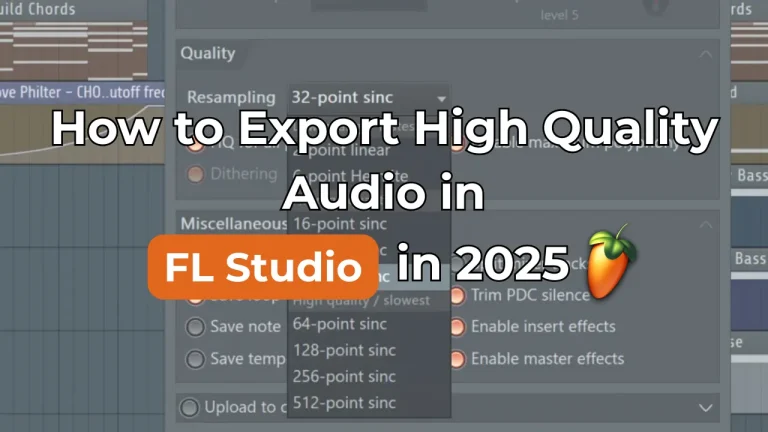
- Select Render Settings to configure bit rate, quality, and dithering.
Step 2: Edit Metadata Fields
FL Studio includes basic metadata options during export. Here’s how:
- Under Project Info (in FL Studio), fill in fields like Title, Author, Genre, and Comments.
- When exporting, these details are embedded into the file’s metadata automatically.
Step 3: Use External Tag Editors
For advanced metadata editing, you may want to use dedicated tools such as:
- Mp3tag (Windows)
- Kid3 (Mac & Linux)
- TagScanner
- iTunes or Music App (Mac)
These tools let you add album art, ISRC codes, and multiple metadata layers beyond what FL Studio provides.
Best Practices for Metadata Optimization
Use Consistent Artist and Track Naming
Always use the same spelling and formatting for your artist name. If you sometimes use “DJ X” and other times “DJ-X,” streaming platforms may treat them as two different artists.
Avoid Overstuffing Metadata
While it’s tempting to load keywords into your metadata, platforms like Spotify prioritize accuracy. Stick to clean, professional formatting.
Include Genre Tags Strategically
Don’t just put “Hip-Hop”—be more specific like “Lo-Fi Hip-Hop” or “Trap EDM” to improve algorithmic placement.
Embed High-Resolution Cover Art
Always attach album artwork in minimum 3000×3000 pixels to meet distribution standards.
Add ISRC and UPC Codes
These codes are essential for royalty tracking. You can obtain ISRCs through your distributor (e.g., DistroKid, TuneCore, CD Baby).
Fill All Available Fields
Even optional metadata fields help. Add composer credits, track number, and year for a more complete digital footprint.
Advanced Metadata Optimization Techniques
SEO-Friendly Metadata
- Track Titles: Use creative yet searchable names. Example: “Midnight Drive (Synthwave Mix)” instead of just “Track 01.”
- Artist Field: Keep consistent across all platforms.
- Comments Section: Add production notes, tags, or licensing info.
Metadata for YouTube & SoundCloud
- Add keywords in your description and tags.
- Ensure file metadata matches your upload metadata to avoid confusion.
Metadata for DJs and Playlists
- Label versions clearly (e.g., “Radio Edit,” “Extended Mix”).
- Use BPM and Key tags to help DJs integrate your track smoothly.
Common Metadata Mistakes to Avoid
- Leaving Metadata Blank – A surefire way to lose track of your music.
- Using Inconsistent Artist Names – Leads to fragmented catalogs.
- Typos in Titles – Errors can prevent fans from finding your music.
- Wrong Genre Labels – Misleads algorithms and listeners.
- Low-Quality Cover Art – Can make your track look unprofessional.
Tools for Metadata Management
Here are some recommended tools for producers working with FL Studio:
- Mp3tag – Free, lightweight, great for batch editing.
- Kid3 – Cross-platform and user-friendly.
- MusicBrainz Picard – Auto-tagging using online databases.
- iTunes/Music App – Good for managing large libraries.
- Adobe Audition – Professional audio editing with metadata support.
How Metadata Impacts Distribution Platforms?
Spotify
Accurate metadata ensures proper placement in playlists, artist profiles, and royalties. Spotify uses genre and mood tags to suggest music to listeners.
Apple Music
Requires high-quality cover art and standardized formatting. Inconsistent metadata can delay uploads.
SoundCloud
Tags and metadata heavily influence discoverability. Descriptive track names and genre tags are critical.
YouTube Music
Optimized metadata helps your track rank in search results and appear in related playlists.
Step-by-Step Workflow for FL Studio Producers
- Fill Project Info in FL Studio before exporting.
- Export Track as WAV or MP3.
- Open Metadata Editor (Mp3tag, Kid3, etc.).
- Add All Metadata Fields – Title, Artist, Album, Year, Genre, ISRC, Cover Art.
- Double-Check Spelling and Consistency.
- Upload to Distributor (DistroKid, TuneCore, etc.) with matching metadata.
- Test Playback on multiple devices to confirm metadata displays correctly.
Pro Tips for Producers
FAQs
Conclusion
Optimizing metadata for your FL Studio tracks is not just a technical chore—it’s a professional necessity. Proper metadata ensures that your music is searchable, discoverable, and monetizable across streaming platforms, personal libraries, and DJ playlists. By embedding complete and consistent metadata, you safeguard your creative work, boost your chances of playlist placements, and demonstrate professionalism to collaborators and industry professionals alike.
Next time you export a track in FL Studio, don’t skip the metadata step. It could be the difference between your music being lost in the noise—or rising to the spotlight.